

Valentina Pozzebon
portfolio
Valentina Pozzebon
Product variants
TL;DR
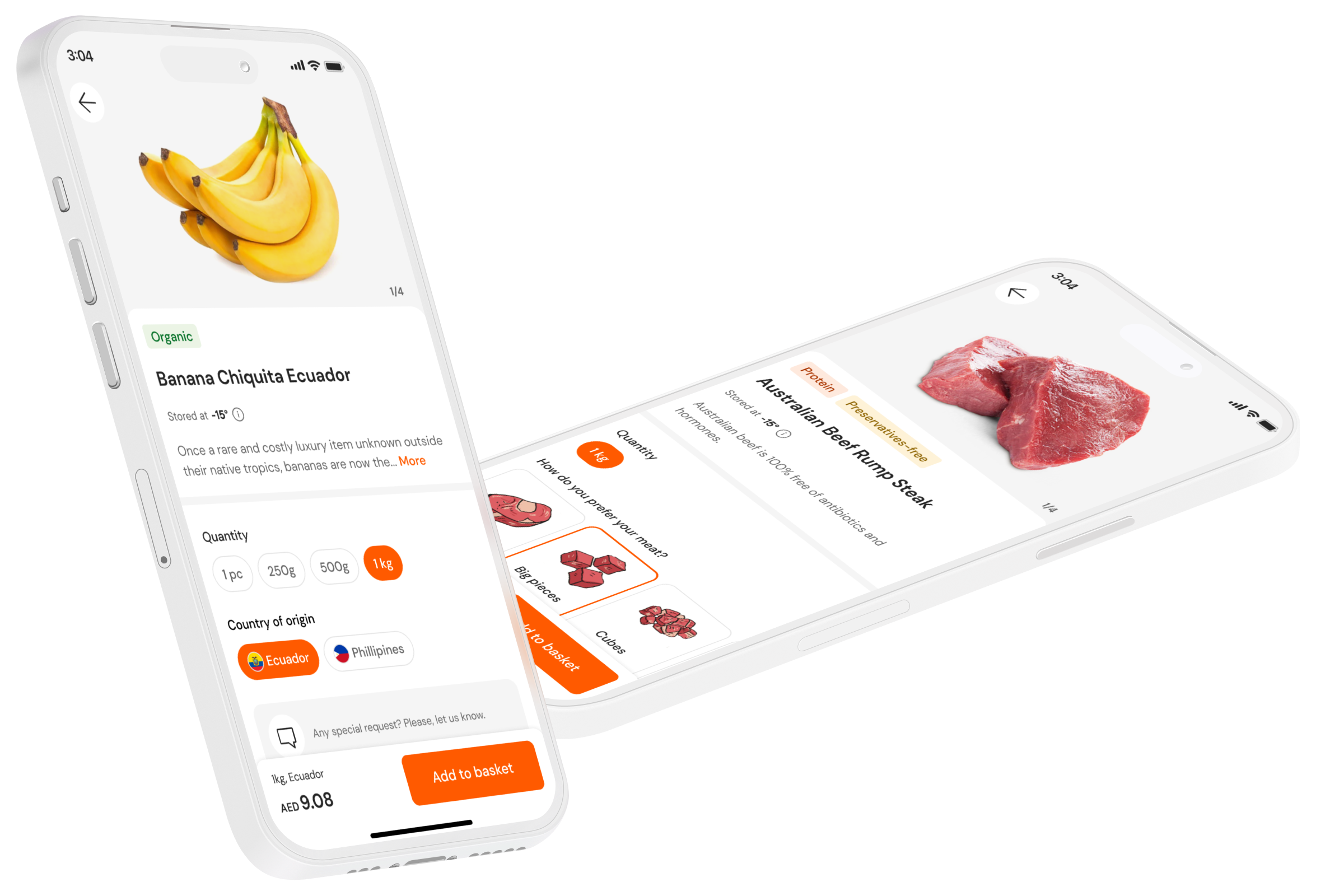
Led the end-to-end process, in close collaboration with product, engineering and content, of designing a scalable solution from scratch to improve how users select product variants (like size or type) across categories. The new experience streamlined logic, layout, and UI, resulting in a 4.87% increase in conversion rate, a meaningful impact for Talabat.
@talabat
My role:
Product Designer
Team members involved:
1 Product Manager, 2 Backend Engineers, 2 Frontend Engineers, 1 Engineer Manager
Start date:
April 2023
Problems
Business

Increase revenue through upselling and cross-selling by displaying different variants of the same product.

To support local shops on the app, we can provide more weight options for products through variants.

Ability to migrate more vendors/specialty stores to the catalog through variants.

Allow the business to include more variants and SKU options for users without compromising on the user experience.

Create product details page (PDP)-based campaigns for suppliers that can directly link to a specific product with all its variants on the page.

Utilizing variants on Web PDP to support work on SEO and SEM.
Users

To find more options related to a product with ease and accessibility.

Offer them a wide range of variants to question their initial need to inspire them to buy more.

Allow users to choose from a wider range of weight options for fresh and ultra-fresh products.

Empower users to customize the product as needed for a more personalized experience.

The more user-centered the solution, the higher the potential revenue

How we measured this
Goals
Success metrics
Improve accessibility and user experience to find the right variant
- PDP ATC%
- Variants CTR% and ATC%
- CVR
Cross-sell and up-sell
- ABV
- Added variants value / Original product value
- Unique SKUs per user / basket
Variants adoption for tmart and NFV assortment
- % of categories utilizing variants
- % of SKUs utilizing variants
- % of AAA brands utilizing variants
- % of NFV utilizing variants
Challenges and constraints
- Ranked first (so far) in the region: Our research has shown that neither our direct competitors nor similar apps have integrated product variants and customization for grocery items, unlike their implementation for electronics and fashion. As with every new feature, we have the opportunity to pioneer the design of a standard pattern.
- Dependencies with DH (Delivery Hero): Since it hasn't been implemented in the catalog yet, initially, this new functionality requires a significant amount of manual effort and time, not to mention alignment with DH and the rest of the companies.
- Flutter migration: During talabat's app Flutter migration period, all new features must wait as they are not currently a priority.

UX strategy
I set a UX strategy focused on simplifying the experience, aligning it with business priorities like increasing conversion and supporting cross-team delivery. It also helps position the product more clearly in the market and strengthens collaboration between design, product, and engineering.
To put it into action, I mapped out five key steps for this project:
Scroll to see the steps:
May 22-26
May 29 - Jun 02
Jun 15-21
From Jun 26 on Q4

Implementation

Validation

Exploration

Planning

Research

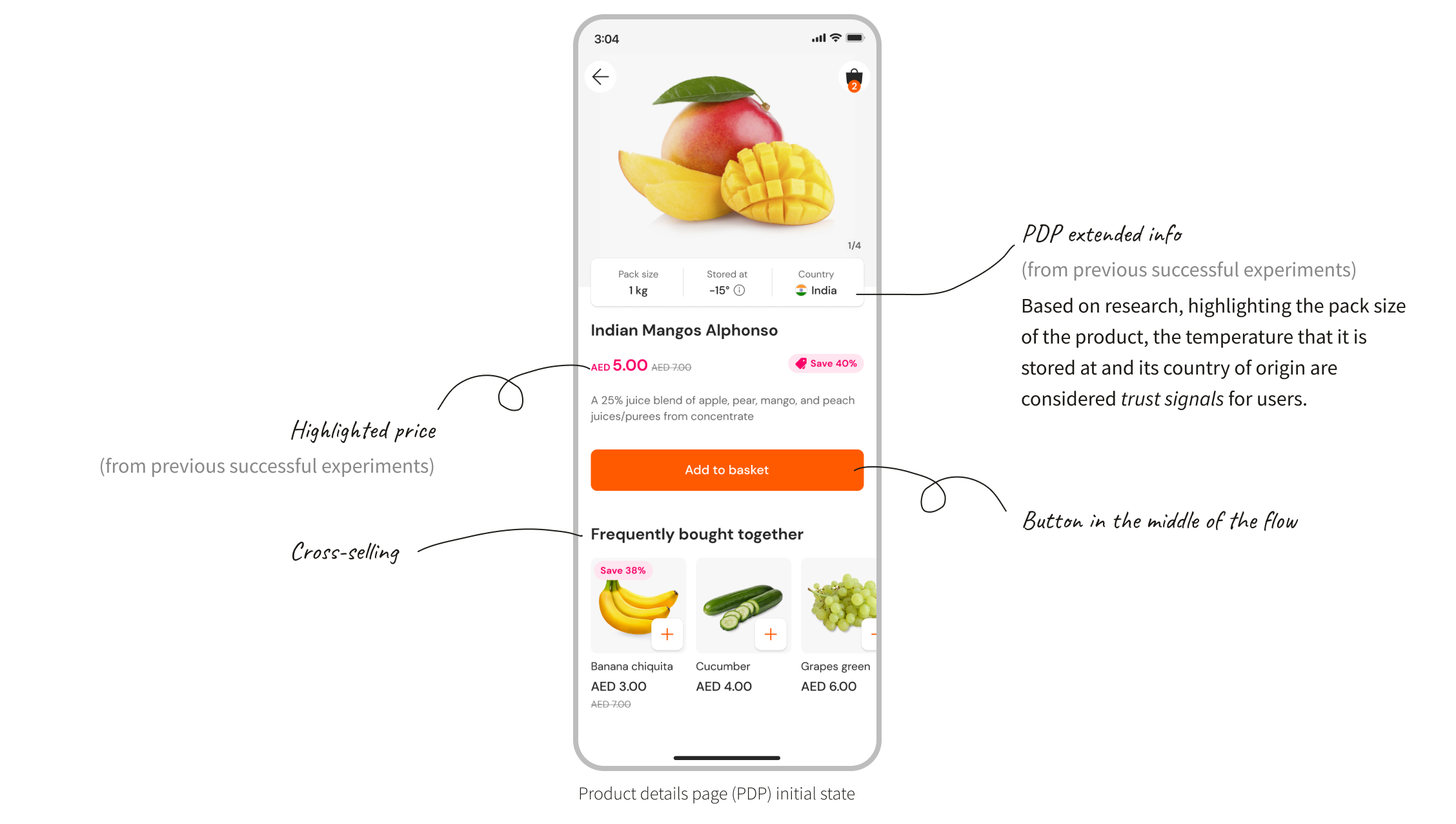
Before we start, let’s analyze the initial state:
Research
Competitive analysis
What are our competitors doing?
In order to keep the analysis across competitors consistent, I selected a product from each of the following categories:
- Fresh/ultra fresh (fruits, vegetables and/or meat)
- Snacks (as an example of packed products with different flavors)
- Electronics
- Fashion (when applicable)
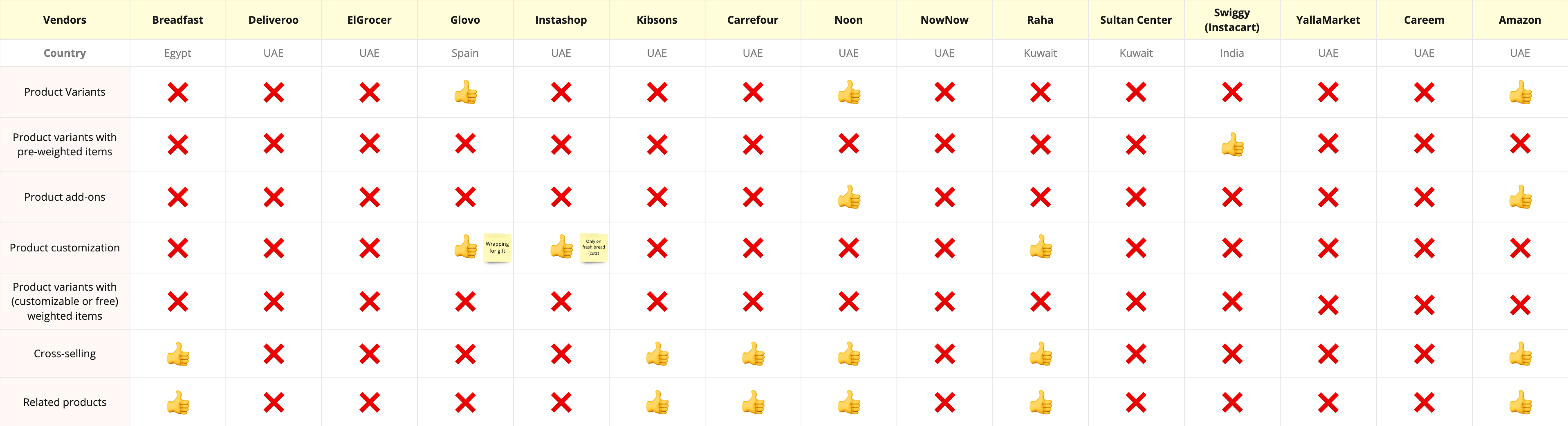
Competitors analysis table by vendor, country and type of feature
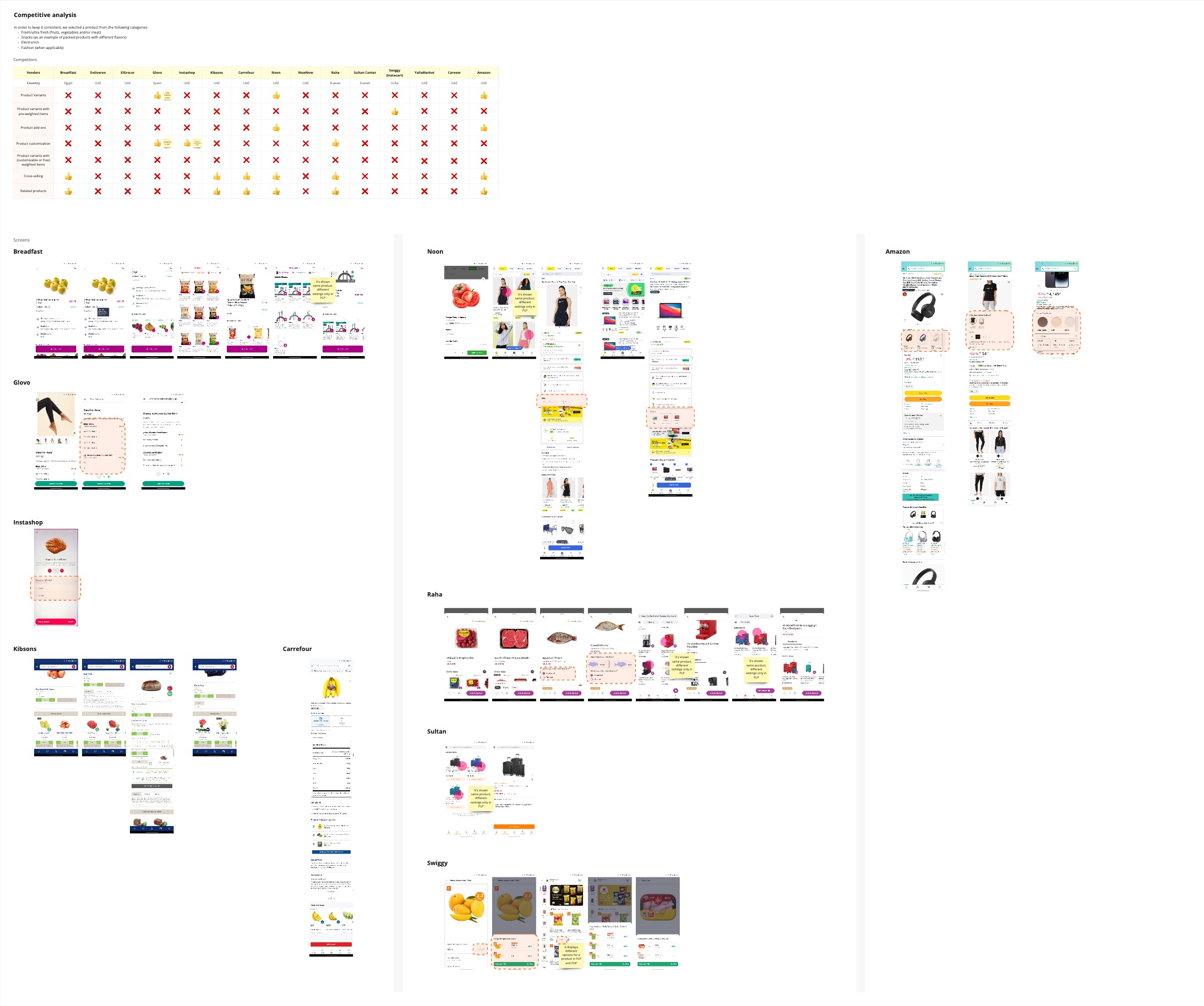
Competitors analysis board with screens and highlighted relevant features
Competitors using product variants
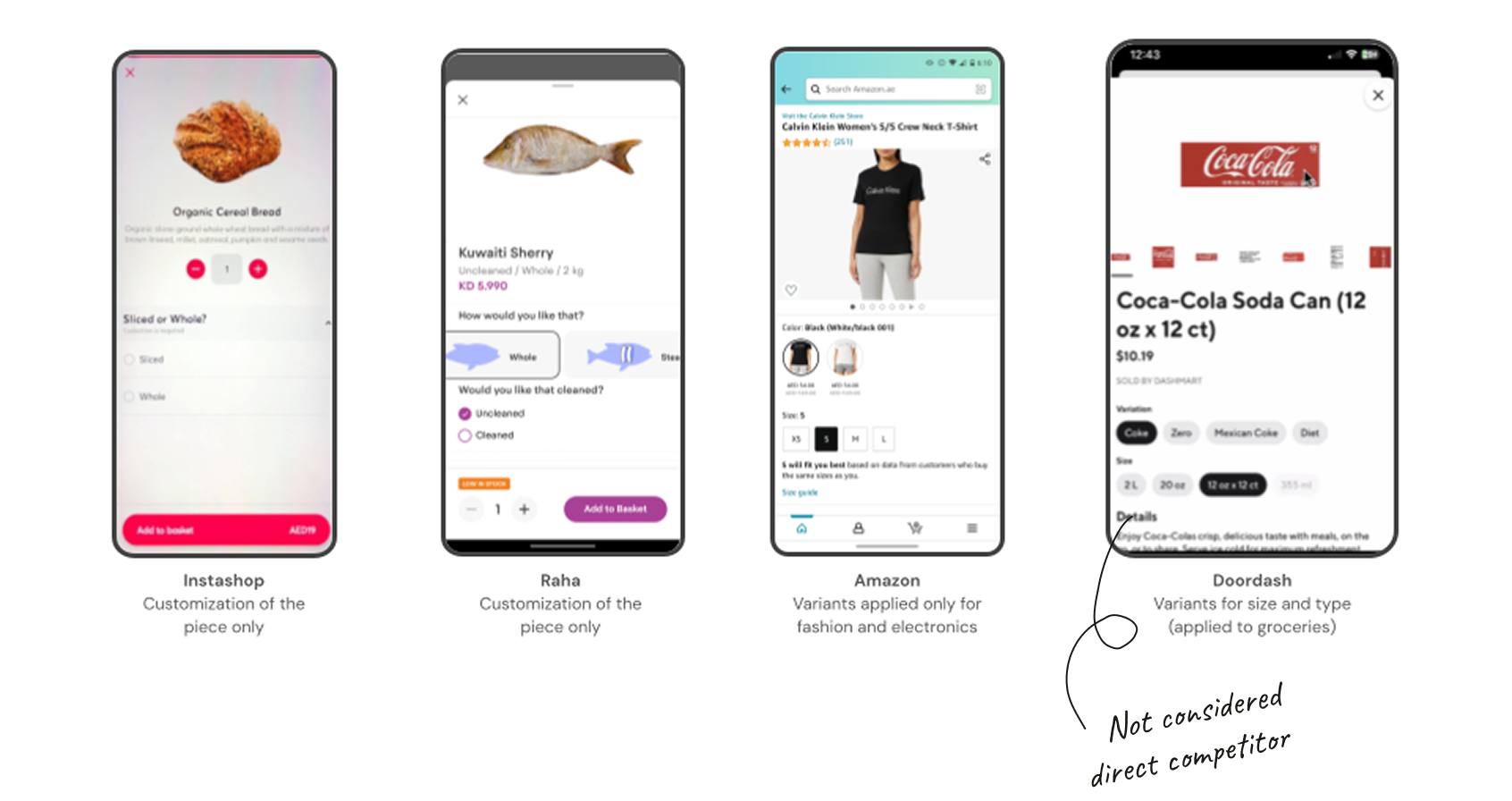
Competitors screens with variants and description
Planning
Opportunities
The purpose of displaying product variants is to give customers a wider range of options and help them make informed purchase decisions based on their preferences and needs.
Main focus:
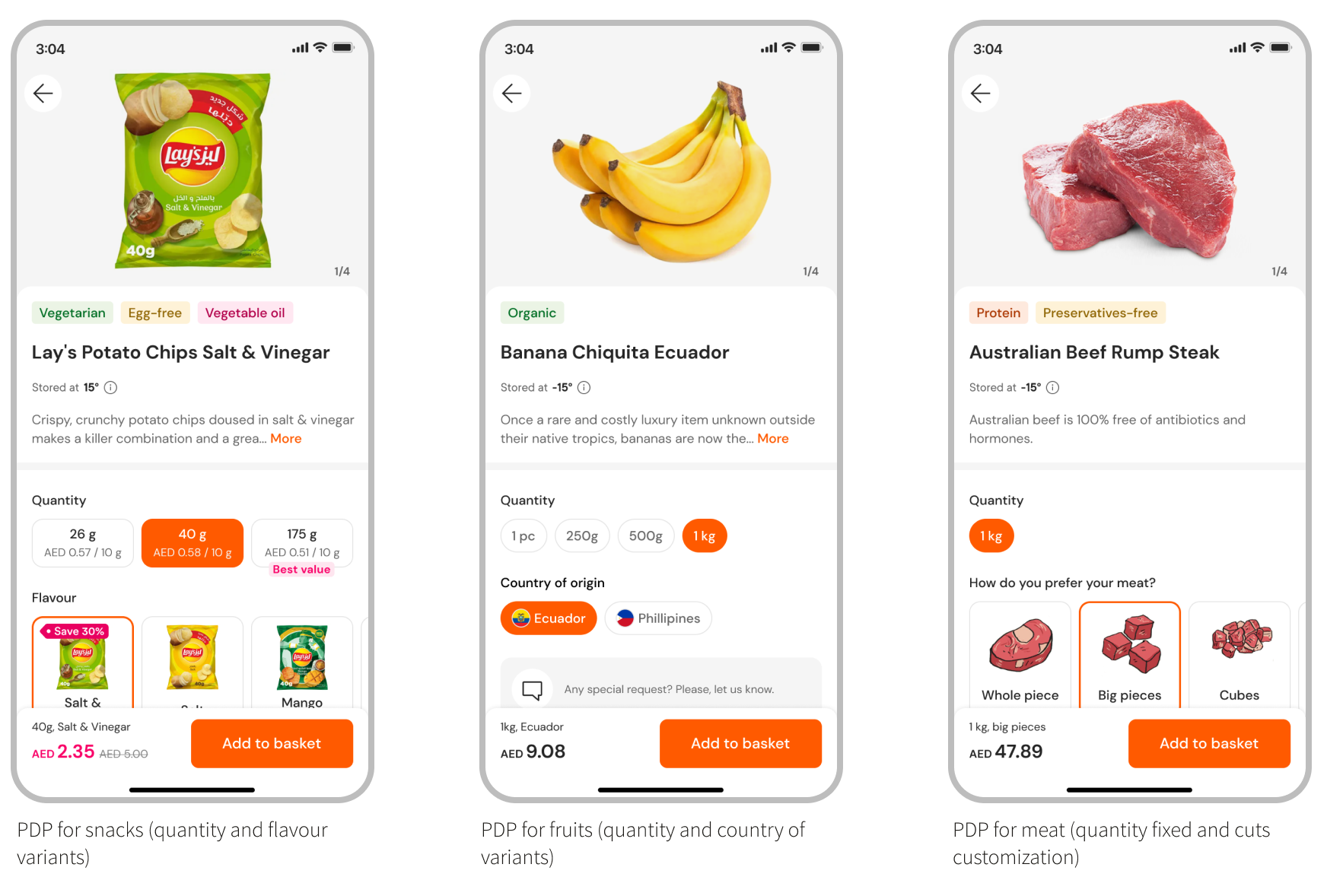
- Product variants: These are different versions or options of a product that differ in some way, such as size, color or flavor. For example, a pack of chips may come in different sizes and flavors, like Lay's chili or Lay's cheese.
- Product variants with pre-weighted items: This refers to a product variant that includes pre-measured or pre-packaged items, such as tomatoes that are pre-weighted into 500g or 1kg packages in grocery stores.
- Product variants with free-weighted items: This refers to a product variant that includes items that can be customized or weighed according to a customer's preferences.
Not in scope:
- Product add-ons: Add-ons are additional items that can be added to a product to enhance or customize it in some way.
- Product customization: This refers to the ability to modify a product to meet specific customer needs or preferences.
User flows
I devised a journey to explore how users navigate to the PDP (product details page) and engage with variants, uncovering additional revenue-generating features along the way. This process also helped us pinpoint categories suitable for variants and those where customization of the main product to match user preferences is needed.
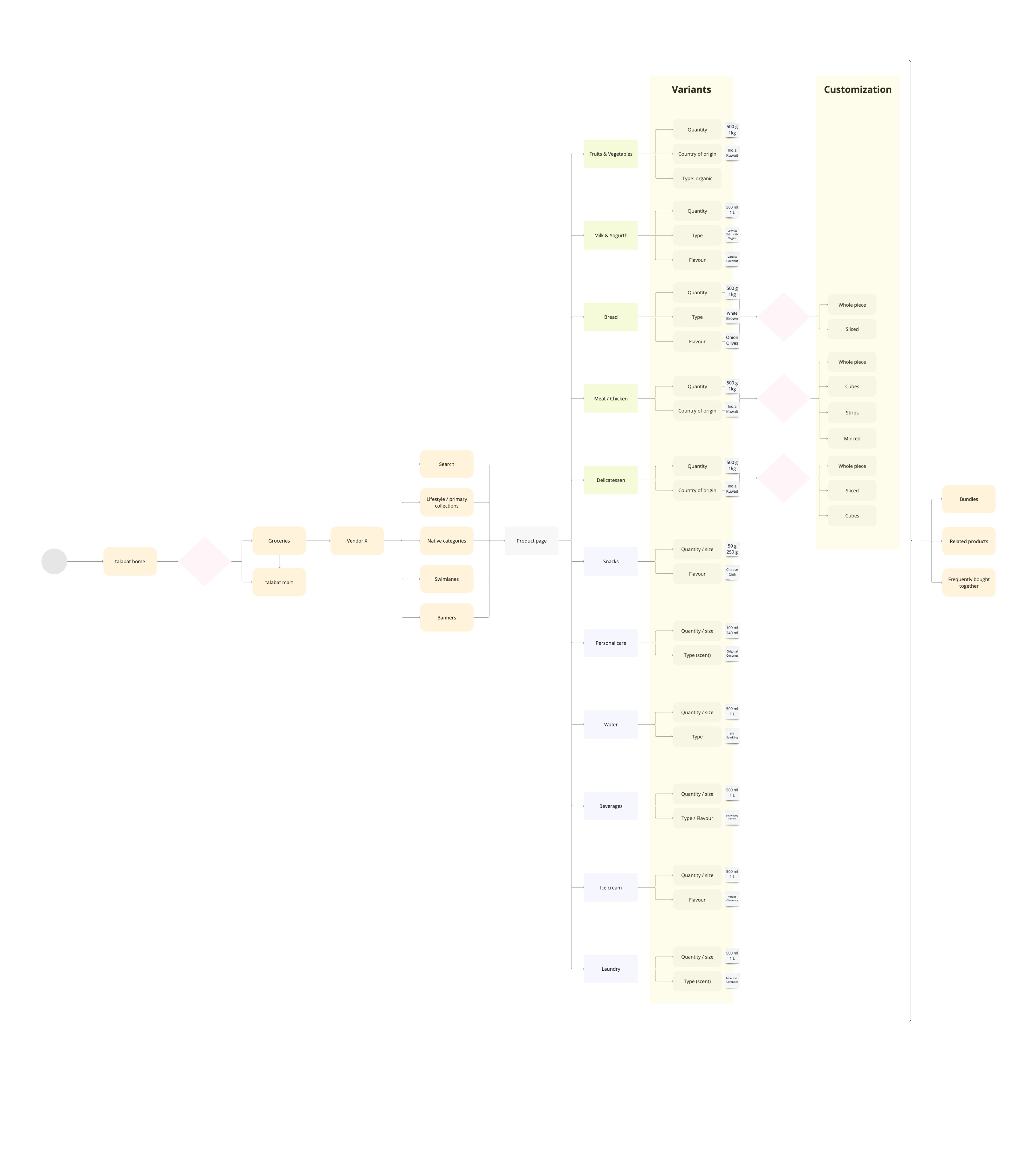
User flow with highlighted potential categories to include variants and customization
Exploration
During this phase, I identified that collaborative work across verticals was key. To think “out of the box”, I planned several co-working sessions where we could:
- Understand other uses cases from other verticals to align on interactions patterns
- Get insights from experienced designers from other teams
- Test out different ways to present the information architecture
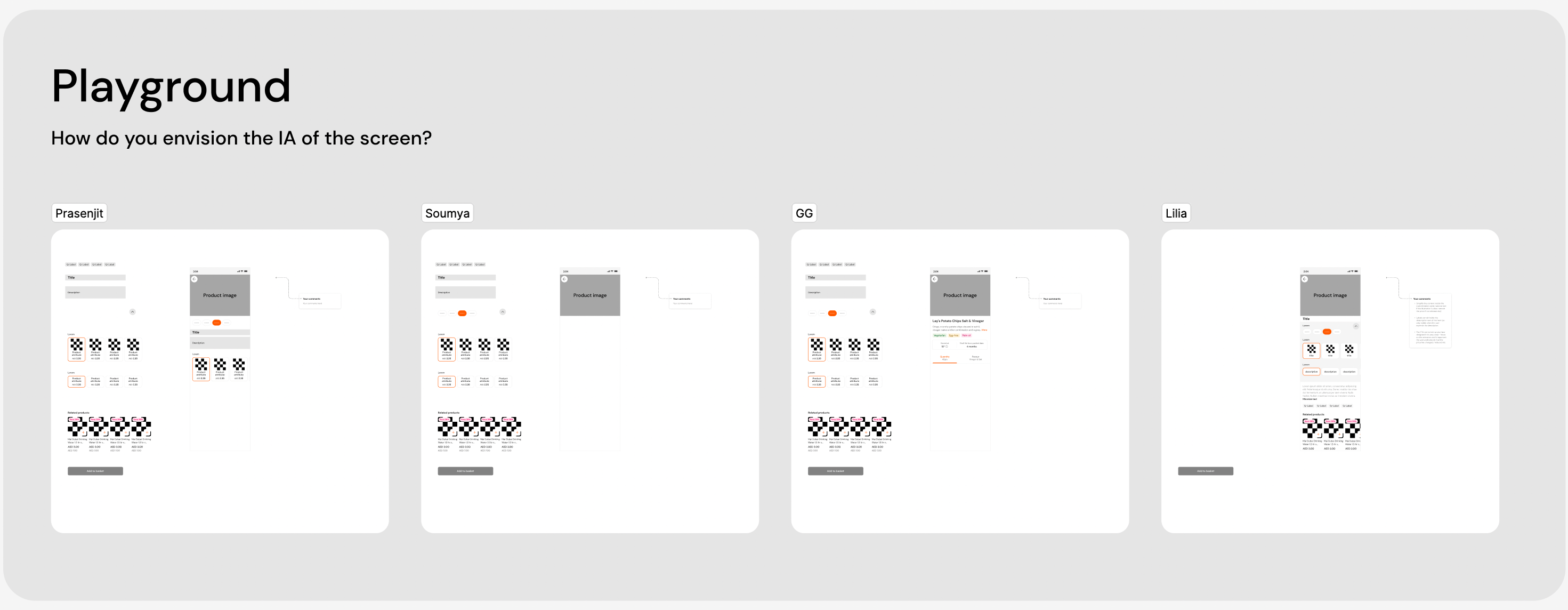
Board with collaborative work among teams
Final information architecture and design
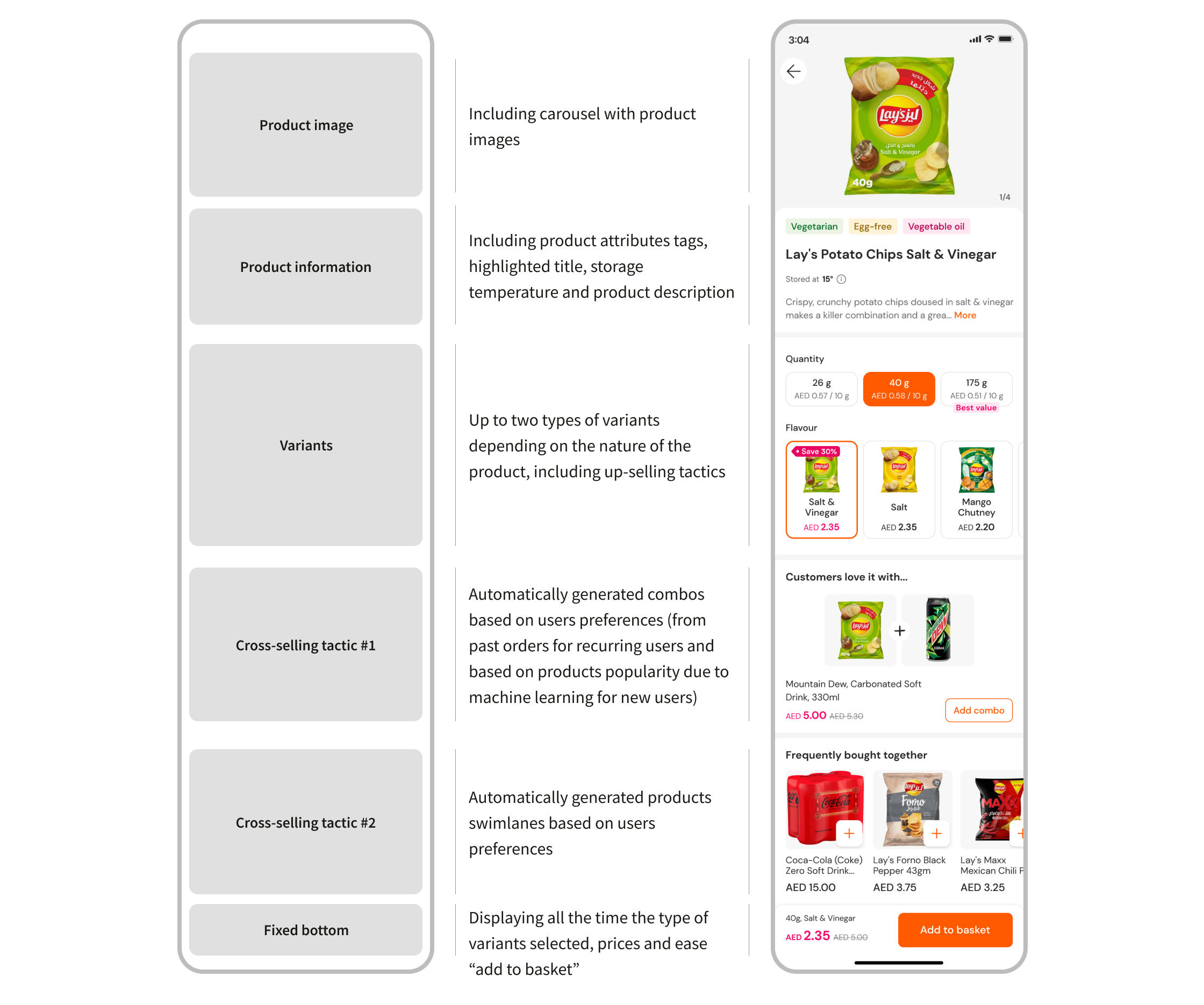
Validation
To ensure that the new feature is designed to meet the needs and expectations of our users (identify usability issues, confusing navigation, unclear instructions, or difficulty in completing tasks), I designed a comprehensive research plan.
The research plan
Research objectives
The aim of this research plan is to gain valuable insights from users' perceptions, preferences, and usability of the new feature, enabling the team to refine and optimize its implementation for a better user experience.

User understanding and awareness: assessing users' comprehension and awareness of the new feature, gauging if they understand the purpose and functionality of displaying product variants.

Perception of value: understanding how users perceive the value of having more options to select.

Ease of use and navigation: investigating how easily users can navigate and interact with the feature.

User preferences and customization: identifying users' preferences regarding the display of product variants.

Impact on decision-making: assessing the influence of displaying product variants on users' decision-making process.

User satisfaction: evaluating users' satisfaction on the overall experience with the new feature.
Proposed methodology
Moderated interviews

Usability testing
The structure of the interview consisted of three parts:
- Screening: some demographic information about the user to help us create a certain profile regarding their characteristics.
- One scenario / three types of products to browse: in order to understand their behavior while searching for snacks, meat and fruits.
- SUS (system usability scale): to identify if the solution is intuitive and efficient enough to solve the problem.
Final information architecture and design

User interviews. Valentina as moderator, and two colleagues as note takers
Results
I performed five moderated interviews as moderator (with the help of my colleagues as notetakers), where four out of five were groceries returning users from Qatar, Egypt and UAE.
The variables we took into consideration while seeking for users insights were the following:
Tags / labels for product attributes
5/5 users
Considered that informing the product attributes is helpful and important, mainly for special diets.
Size / quantity as variant
5/5 users
Payed attention to the quantity customization and considered a plus to have the option of selecting products by item.
Flavour as variant
4/5 users
Found extremely useful to select how they prefer the product (e.g. cuts for meat and bread).
Country of origin as variant
4/5 users
Payed attention to this piece of information because it’s important for them to know where the products come from and the chance to switch among the options
Product customization
5/5 users
Found extremely useful to select how they prefer the product (e.g. cuts for meat and bread).
“Customers love it with” (combo offer)
5/5 users
Found the feature inspirational. They realized that they might forget to combine the main product with something else if there were not this kind of offer.
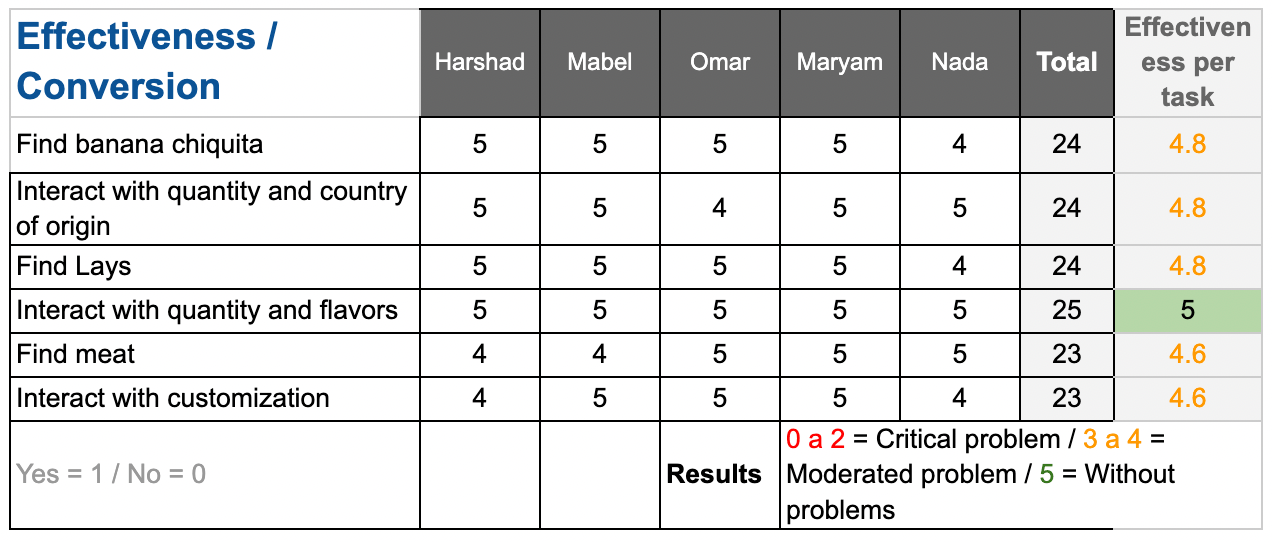
Effectiveness and conversion per task results table
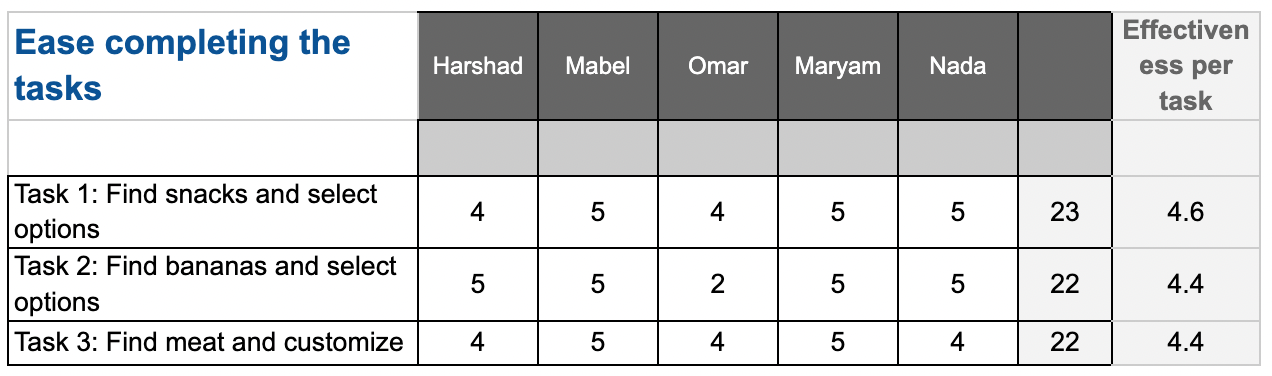
Ease completing the tasks results table
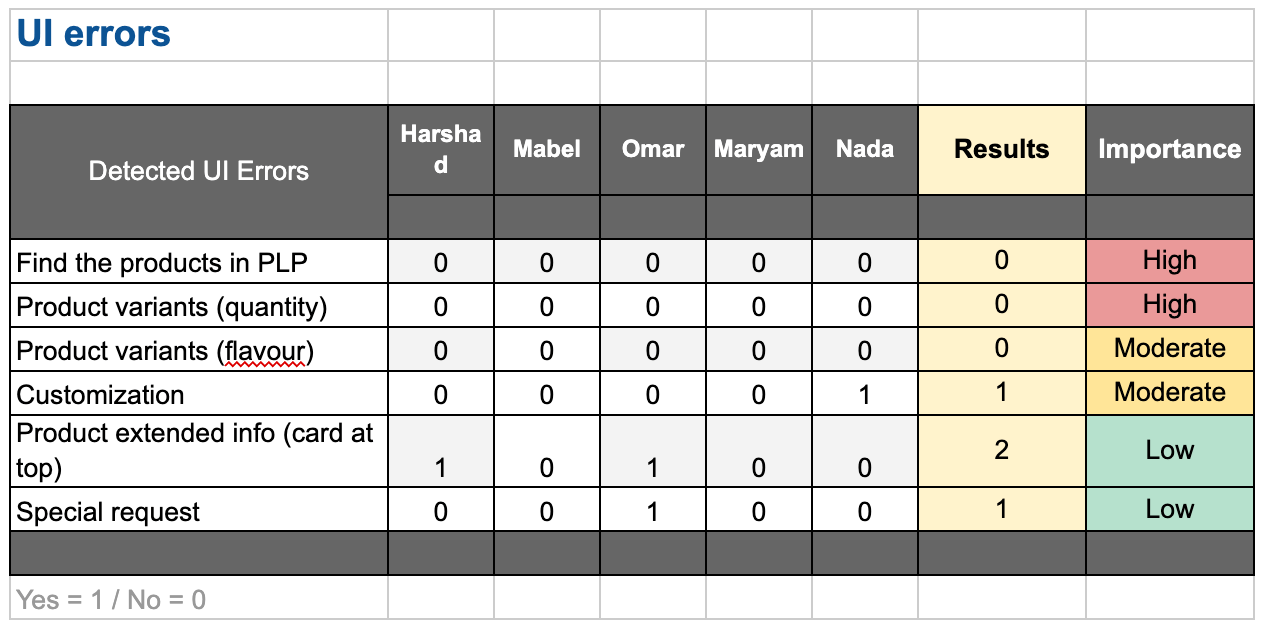
Detected UI errors results table
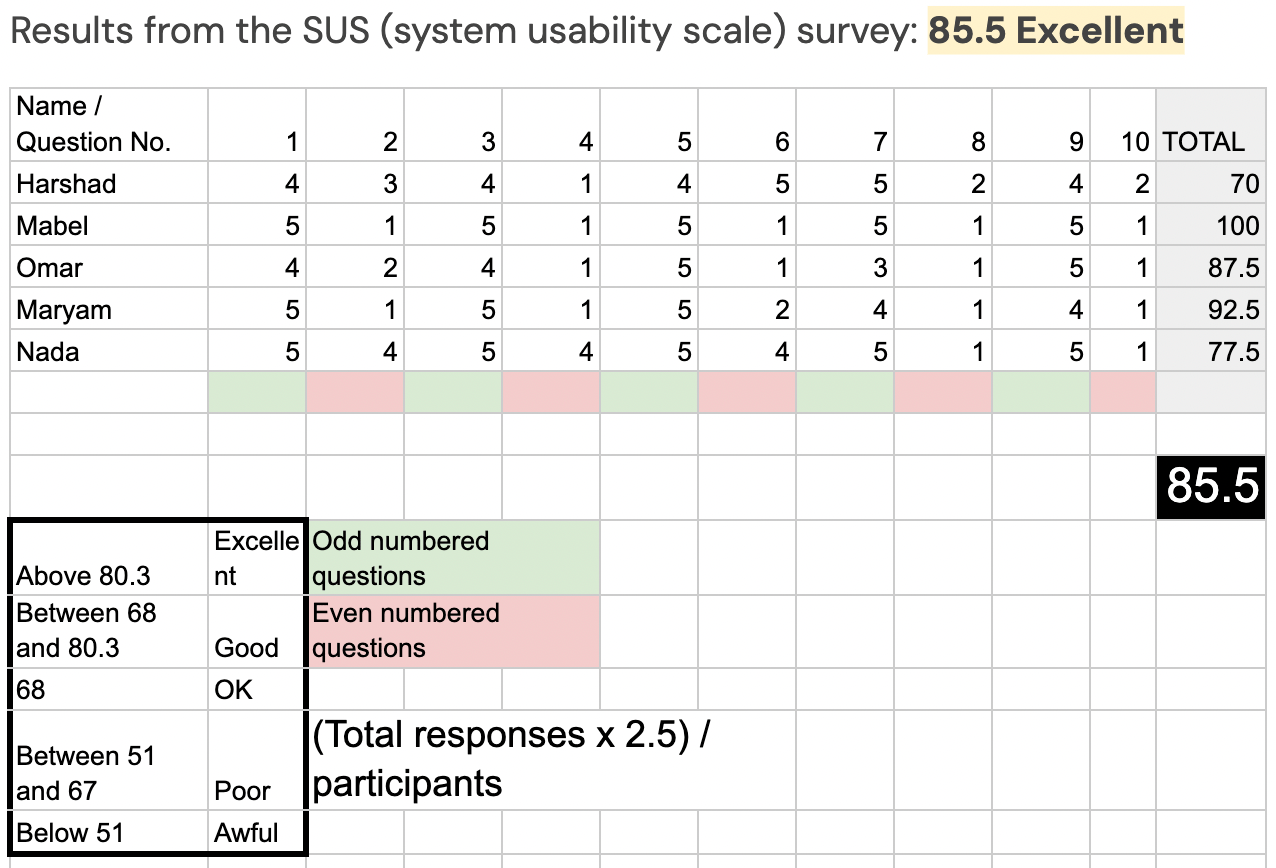
System usability scale results table
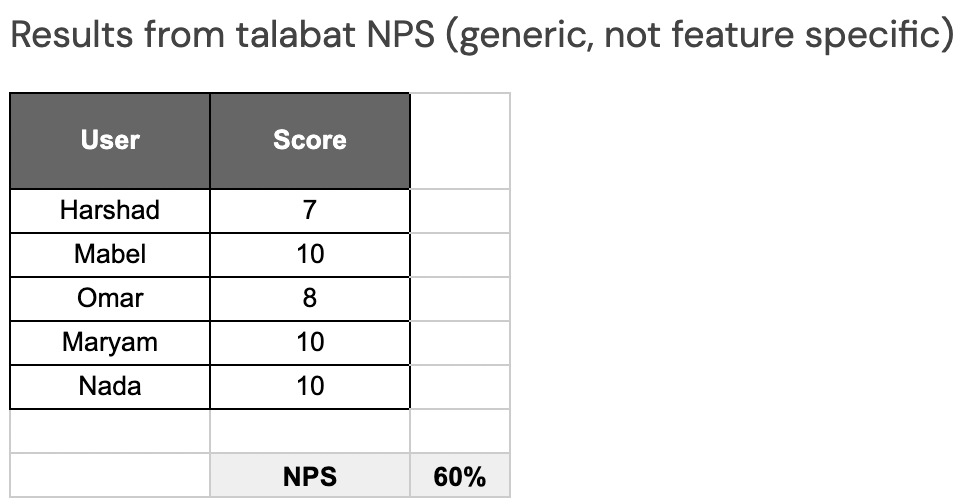
NPS about the app (generic, not feature specific) table results
Research results conclusion
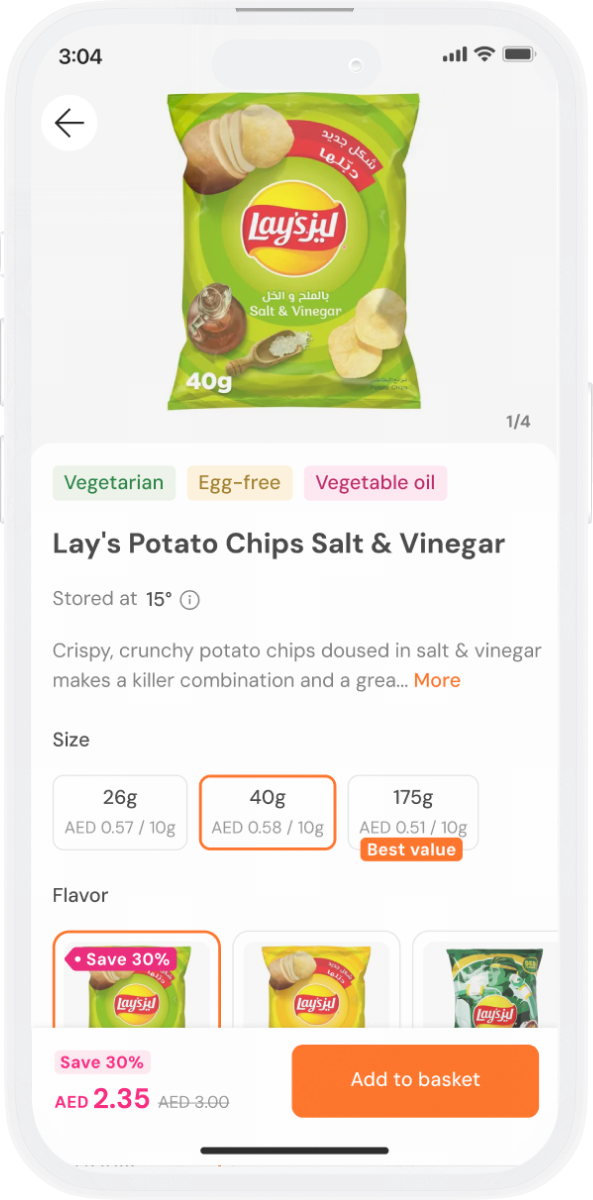
In summary, the research results were considered a success. The newly introduced features have demonstrated an intuitive nature, providing us with the confidence to proceed with the MVP (showing the quantity only). As we progress, we have the opportunity to proactively incorporate additional variants once the PIM and catalog undergo necessary updates.
Implementation: Q4 2023
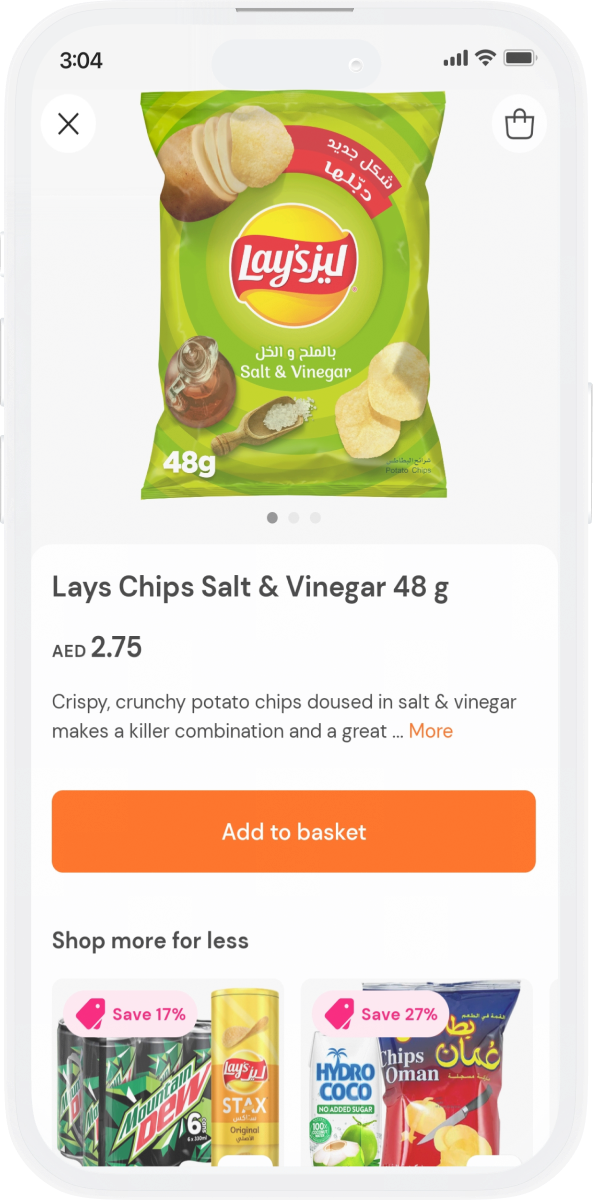
Before and after
My learnings
- Craft a comprehensive product brief: This task isn't solely within a Product Manager's domain. As a Product Designer, I successfully formulated a comprehensive strategy for a new feature.
- Acknowledge constraints and interdependencies: It goes beyond evaluating the impact and implementing a potentially successful new feature. It also involves the phase when the feature is presented to stakeholders. Occasionally, company requirements or priorities may not align with user preferences.
Want to know more about product variants? Let’s talk

Valentina Pozzebon

Download extended CV

2025

Valentina Pozzebon
portfolio
Valentina Pozzebon
Product variants
TL;DR
Led the end-to-end process, in close collaboration with product, engineering and content, of designing a scalable solution from scratch to improve how users select product variants (like size or type) across categories. The new experience streamlined logic, layout, and UI, resulting in a 4.87% increase in conversion rate, a meaningful impact for Talabat.
@talabat
My role:
Product Designer
Team members involved:
1 Product Manager, 2 Backend Engineers, 2 Frontend Engineers, 1 Engineer Manager
Start date:
April 2023
Problems
Business

Increase revenue through upselling and cross-selling by displaying different variants of the same product.

To support local shops on the app, we can provide more weight options for products through variants.

Ability to migrate more vendors/specialty stores to the catalog through variants.

Allow the business to include more variants and SKU options for users without compromising on the user experience.

Create product details page (PDP)-based campaigns for suppliers that can directly link to a specific product with all its variants on the page.

Utilizing variants on Web PDP to support work on SEO and SEM.
Users

To find more options related to a product with ease and accessibility.

Offer them a wide range of variants to question their initial need to inspire them to buy more.

Allow users to choose from a wider range of weight options for fresh and ultra-fresh products.

Empower users to customize the product as needed for a more personalized experience.
The more user-centered the solution, the higher the potential revenue
How we measured this
Goals
Success metrics
Improve accessibility and user experience to find the right variant
- PDP ATC%
- Variants CTR% and ATC%
- CVR
Cross-sell and up-sell
- ABV
- Added variants value / Original product value
- Unique SKUs per user / basket
Variants adoption for tmart and NFV assortment
- % of categories utilizing variants
- % of SKUs utilizing variants
- % of AAA brands utilizing variants
- % of NFV utilizing variants
Challenges and constraints
- Ranked first (so far) in the region: Our research has shown that neither our direct competitors nor similar apps have integrated product variants and customization for grocery items, unlike their implementation for electronics and fashion. As with every new feature, we have the opportunity to pioneer the design of a standard pattern.
- Dependencies with DH (Delivery Hero): Since it hasn't been implemented in the catalog yet, initially, this new functionality requires a significant amount of manual effort and time, not to mention alignment with DH and the rest of the companies.
- Flutter migration: During talabat's app Flutter migration period, all new features must wait as they are not currently a priority.

UX strategy
I set a UX strategy focused on simplifying the experience, aligning it with business priorities like increasing conversion and supporting cross-team delivery. It also helps position the product more clearly in the market and strengthens collaboration between design, product, and engineering.
To put it into action, I mapped out five key steps for this project:
Scroll to see the steps:
May 22-26
May 29 - Jun 02
Jun 15-21
From Jun 26 on Q4
Implementation
Validation
Exploration
Planning
Research
Before we start, let’s analyze the initial state:
Research
Competitive analysis
What are our competitors doing?
In order to keep the analysis across competitors consistent, I selected a product from each of the following categories:
- Fresh/ultra fresh (fruits, vegetables and/or meat)
- Snacks (as an example of packed products with different flavors)
- Electronics
- Fashion (when applicable)
Competitors analysis table by vendor, country and type of feature
Competitors analysis board with screens and highlighted relevant features
Competitors using product variants
Competitors screens with variants and description
Planning
Opportunities
The purpose of displaying product variants is to give customers a wider range of options and help them make informed purchase decisions based on their preferences and needs.
Main focus:
- Product variants: These are different versions or options of a product that differ in some way, such as size, color or flavor. For example, a pack of chips may come in different sizes and flavors, like Lay's chili or Lay's cheese.
- Product variants with pre-weighted items: This refers to a product variant that includes pre-measured or pre-packaged items, such as tomatoes that are pre-weighted into 500g or 1kg packages in grocery stores.
- Product variants with free-weighted items: This refers to a product variant that includes items that can be customized or weighed according to a customer's preferences.
Not in scope:
- Product add-ons: Add-ons are additional items that can be added to a product to enhance or customize it in some way.
- Product customization: This refers to the ability to modify a product to meet specific customer needs or preferences.
User flows
I devised a journey to explore how users navigate to the PDP (product details page) and engage with variants, uncovering additional revenue-generating features along the way. This process also helped us pinpoint categories suitable for variants and those where customization of the main product to match user preferences is needed.
User flow with highlighted potential categories to include variants and customization
Exploration
During this phase, I identified that collaborative work across verticals was key. To think “out of the box”, I planned several co-working sessions where we could:
- Understand other uses cases from other verticals to align on interactions patterns
- Get insights from experienced designers from other teams
- Test out different ways to present the information architecture
Board with collaborative work among teams
Final information architecture and design
Validation
To ensure that the new feature is designed to meet the needs and expectations of our users (identify usability issues, confusing navigation, unclear instructions, or difficulty in completing tasks), I designed a comprehensive research plan.
The research plan
Research objectives
The aim of this research plan is to gain valuable insights from users' perceptions, preferences, and usability of the new feature, enabling the team to refine and optimize its implementation for a better user experience.

User understanding and awareness: assessing users' comprehension and awareness of the new feature, gauging if they understand the purpose and functionality of displaying product variants.

Perception of value: understanding how users perceive the value of having more options to select.

Ease of use and navigation: investigating how easily users can navigate and interact with the feature.

User preferences and customization: identifying users' preferences regarding the display of product variants.

Impact on decision-making: assessing the influence of displaying product variants on users' decision-making process.

User satisfaction: evaluating users' satisfaction on the overall experience with the new feature.
Proposed methodology
Moderated interviews
Usability testing
The structure of the interview consisted of three parts:
- Screening: some demographic information about the user to help us create a certain profile regarding their characteristics.
- One scenario / three types of products to browse: in order to understand their behavior while searching for snacks, meat and fruits.
- SUS (system usability scale): to identify if the solution is intuitive and efficient enough to solve the problem.
Final information architecture and design
User interviews. Valentina as moderator, and two colleagues as note takers
Results
I performed five moderated interviews as moderator (with the help of my colleagues as notetakers), where four out of five were groceries returning users from Qatar, Egypt and UAE.
The variables we took into consideration while seeking for users insights were the following:
Tags / labels for product attributes
5/5 users
Considered that informing the product attributes is helpful and important, mainly for special diets.
Size / quantity as variant
5/5 users
Payed attention to the quantity customization and considered a plus to have the option of selecting products by item.
Flavour as variant
4/5 users
Found extremely useful to select how they prefer the product (e.g. cuts for meat and bread).
Country of origin as variant
4/5 users
Payed attention to this piece of information because it’s important for them to know where the products come from and the chance to switch among the options
Product customization
5/5 users
Found extremely useful to select how they prefer the product (e.g. cuts for meat and bread).
“Customers love it with” (combo offer)
5/5 users
Found the feature inspirational. They realized that they might forget to combine the main product with something else if there were not this kind of offer.
Effectiveness and conversion per task results table
Ease completing the tasks results table
Detected UI errors results table
System usability scale results table
NPS about the app (generic, not feature specific) table results
Research results conclusion
In summary, the research results were considered a success. The newly introduced features have demonstrated an intuitive nature, providing us with the confidence to proceed with the MVP (showing the quantity only). As we progress, we have the opportunity to proactively incorporate additional variants once the PIM and catalog undergo necessary updates.
Implementation: Q4 2023
Before and after
My learnings
- Craft a comprehensive product brief: This task isn't solely within a Product Manager's domain. As a Product Designer, I successfully formulated a comprehensive strategy for a new feature.
- Acknowledge constraints and interdependencies: It goes beyond evaluating the impact and implementing a potentially successful new feature. It also involves the phase when the feature is presented to stakeholders. Occasionally, company requirements or priorities may not align with user preferences.
Want to know more about product variants? Let’s talk
Valentina Pozzebon
Download extended CV
2025
Valentina Pozzebon
portfolio
Valentina Pozzebon
Product variants
TL;DR
Led the end-to-end process, in close collaboration with product, engineering and content, of designing a scalable solution from scratch to improve how users select product variants (like size or type) across categories. The new experience streamlined logic, layout, and UI, resulting in a 4.87% increase in conversion rate, a meaningful impact for Talabat.
@talabat
My role:
Product Designer
Team members involved:
1 Product Manager, 2 Backend Engineers, 2 Frontend Engineers, 1 Engineer Manager
Start date:
April 2023
Problems
Business
Increase revenue through upselling and cross-selling by displaying different variants of the same product.
To support local shops on the app, we can provide more weight options for products through variants.
Ability to migrate more vendors/specialty stores to the catalog through variants.
Allow the business to include more variants and SKU options for users without compromising on the user experience.
Create product details page (PDP)-based campaigns for suppliers that can directly link to a specific product with all its variants on the page.
Utilizing variants on Web PDP to support work on SEO and SEM.
Users
To find more options related to a product with ease and accessibility.
Offer them a wide range of variants to question their initial need to inspire them to buy more.
Allow users to choose from a wider range of weight options for fresh and ultra-fresh products.
Empower users to customize the product as needed for a more personalized experience.
The more user-centered the solution, the higher the potential revenue
How we measured this
Goals
Success metrics
Improve accessibility and user experience to find the right variant
- PDP ATC%
- Variants CTR% and ATC%
- CVR
Cross-sell and up-sell
- ABV
- Added variants value / Original product value
- Unique SKUs per user / basket
Variants adoption for tmart and NFV assortment
- % of categories utilizing variants
- % of SKUs utilizing variants
- % of AAA brands utilizing variants
- % of NFV utilizing variants
Challenges and constraints
- Ranked first (so far) in the region: Our research has shown that neither our direct competitors nor similar apps have integrated product variants and customization for grocery items, unlike their implementation for electronics and fashion. As with every new feature, we have the opportunity to pioneer the design of a standard pattern.
- Dependencies with DH (Delivery Hero): Since it hasn't been implemented in the catalog yet, initially, this new functionality requires a significant amount of manual effort and time, not to mention alignment with DH and the rest of the companies.
- Flutter migration: During talabat's app Flutter migration period, all new features must wait as they are not currently a priority.

UX strategy
I set a UX strategy focused on simplifying the experience, aligning it with business priorities like increasing conversion and supporting cross-team delivery. It also helps position the product more clearly in the market and strengthens collaboration between design, product, and engineering.
To put it into action, I mapped out five key steps for this project:
May 22-26
May 29 - Jun 02
Jun 15-21
From Jun 26 on Q4
Implementation
Validation
Exploration
Planning
Research
Before we start, let’s analyze the initial state:
Research
Competitive analysis
What are our competitors doing?
In order to keep the analysis across competitors consistent, I selected a product from each of the following categories:
- Fresh/ultra fresh (fruits, vegetables and/or meat)
- Snacks (as an example of packed products with different flavors)
- Electronics
- Fashion (when applicable)
Competitors analysis table by vendor, country and type of feature
Competitors analysis board with screens and highlighted relevant features
Competitors using product variants
Competitors screens with variants and description
Planning
Opportunities
The purpose of displaying product variants is to give customers a wider range of options and help them make informed purchase decisions based on their preferences and needs.
Main focus:
- Product variants: These are different versions or options of a product that differ in some way, such as size, color or flavor. For example, a pack of chips may come in different sizes and flavors, like Lay's chili or Lay's cheese.
- Product variants with pre-weighted items: This refers to a product variant that includes pre-measured or pre-packaged items, such as tomatoes that are pre-weighted into 500g or 1kg packages in grocery stores.
- Product variants with free-weighted items: This refers to a product variant that includes items that can be customized or weighed according to a customer's preferences.
Not in scope:
- Product add-ons: Add-ons are additional items that can be added to a product to enhance or customize it in some way.
- Product customization: This refers to the ability to modify a product to meet specific customer needs or preferences.
User flows
I devised a journey to explore how users navigate to the PDP (product details page) and engage with variants, uncovering additional revenue-generating features along the way. This process also helped us pinpoint categories suitable for variants and those where customization of the main product to match user preferences is needed.
User flow with highlighted potential categories to include variants and customization
Exploration
During this phase, I identified that collaborative work across verticals was key. To think “out of the box”, I planned several co-working sessions where we could:
- Understand other uses cases from other verticals to align on interactions patterns
- Get insights from experienced designers from other teams
- Test out different ways to present the information architecture
Board with collaborative work among teams
Final information architecture and design
Validation
To ensure that the new feature is designed to meet the needs and expectations of our users (identify usability issues, confusing navigation, unclear instructions, or difficulty in completing tasks), I designed a comprehensive research plan.
The research plan
Research objectives
The aim of this research plan is to gain valuable insights from users' perceptions, preferences, and usability of the new feature, enabling the team to refine and optimize its implementation for a better user experience.
User understanding and awareness: assessing users' comprehension and awareness of the new feature, gauging if they understand the purpose and functionality of displaying product variants.
Perception of value: understanding how users perceive the value of having more options to select.
Ease of use and navigation: investigating how easily users can navigate and interact with the feature.
User preferences and customization: identifying users' preferences regarding the display of product variants.
Impact on decision-making: assessing the influence of displaying product variants on users' decision-making process.
User satisfaction: evaluating users' satisfaction on the overall experience with the new feature.
Proposed methodology
Moderated interviews
Usability testing
The structure of the interview consisted of three parts:
- Screening: some demographic information about the user to help us create a certain profile regarding their characteristics.
- One scenario / three types of products to browse: in order to understand their behavior while searching for snacks, meat and fruits.
- SUS (system usability scale): to identify if the solution is intuitive and efficient enough to solve the problem.
Final information architecture and design
User interviews. Valentina as moderator, and two colleagues as note takers
Results
I performed five moderated interviews as moderator (with the help of my colleagues as notetakers), where four out of five were groceries returning users from Qatar, Egypt and UAE.
The variables we took into consideration while seeking for users insights were the following:
Tags / labels for product attributes
5/5 users
Considered that informing the product attributes is helpful and important, mainly for special diets.
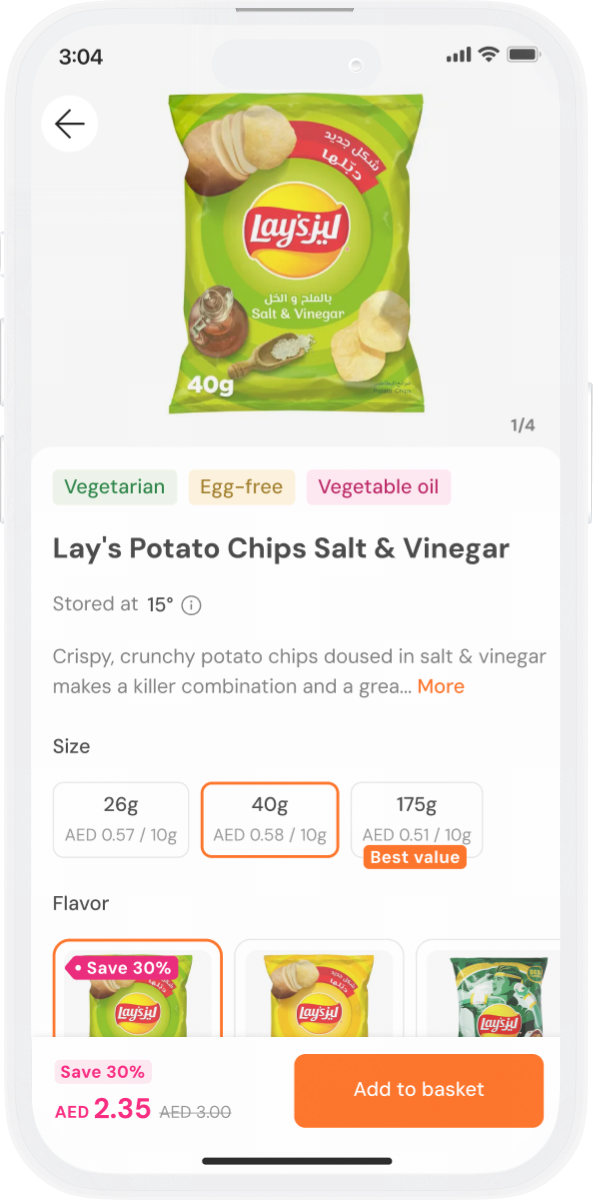
Size / quantity as variant
5/5 users
Payed attention to the quantity customization and considered a plus to have the option of selecting products by item.
Flavour as variant
4/5 users
Found extremely useful to select how they prefer the product (e.g. cuts for meat and bread).
Country of origin as variant
4/5 users
Payed attention to this piece of information because it’s important for them to know where the products come from and the chance to switch among the options
Product customization
5/5 users
Found extremely useful to select how they prefer the product (e.g. cuts for meat and bread).
“Customers love it with” (combo offer)
5/5 users
Found the feature inspirational. They realized that they might forget to combine the main product with something else if there were not this kind of offer.
Effectiveness and conversion per task results table
Ease completing the tasks results table
Detected UI errors results table
System usability scale results table
NPS about the app (generic, not feature specific) table results
Research results conclusion
In summary, the research results were considered a success. The newly introduced features have demonstrated an intuitive nature, providing us with the confidence to proceed with the MVP (showing the quantity only). As we progress, we have the opportunity to proactively incorporate additional variants once the PIM and catalog undergo necessary updates.
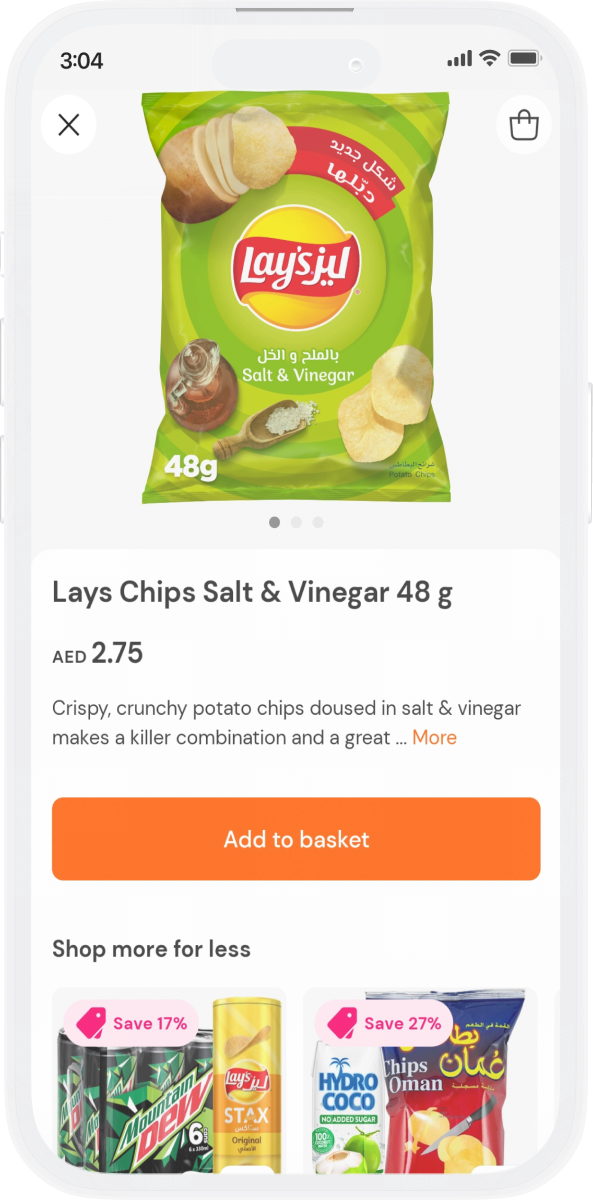
Implementation: Q4 2023
Before and after
My learnings
- Craft a comprehensive product brief: This task isn't solely within a Product Manager's domain. As a Product Designer, I successfully formulated a comprehensive strategy for a new feature.
- Acknowledge constraints and interdependencies: It goes beyond evaluating the impact and implementing a potentially successful new feature. It also involves the phase when the feature is presented to stakeholders. Occasionally, company requirements or priorities may not align with user preferences.
Want to know more about product variants? Let’s talk
Valentina Pozzebon
Download extended CV
2025